
A Georgia Senate Study Committee tasked with examining the state’s current policies and regulations addressing the conditions, needs, issues, and problems related to the safety and welfare of the state’s children approved its final report Monday at the close of its fourth meeting of the off session. The Senate Foster Care and Adoption Study Committee was created by Senate Resolution 282 during the 2023 Legislative Session and was chaired by Sen. Kay Kirkpatrick, R-Marietta.
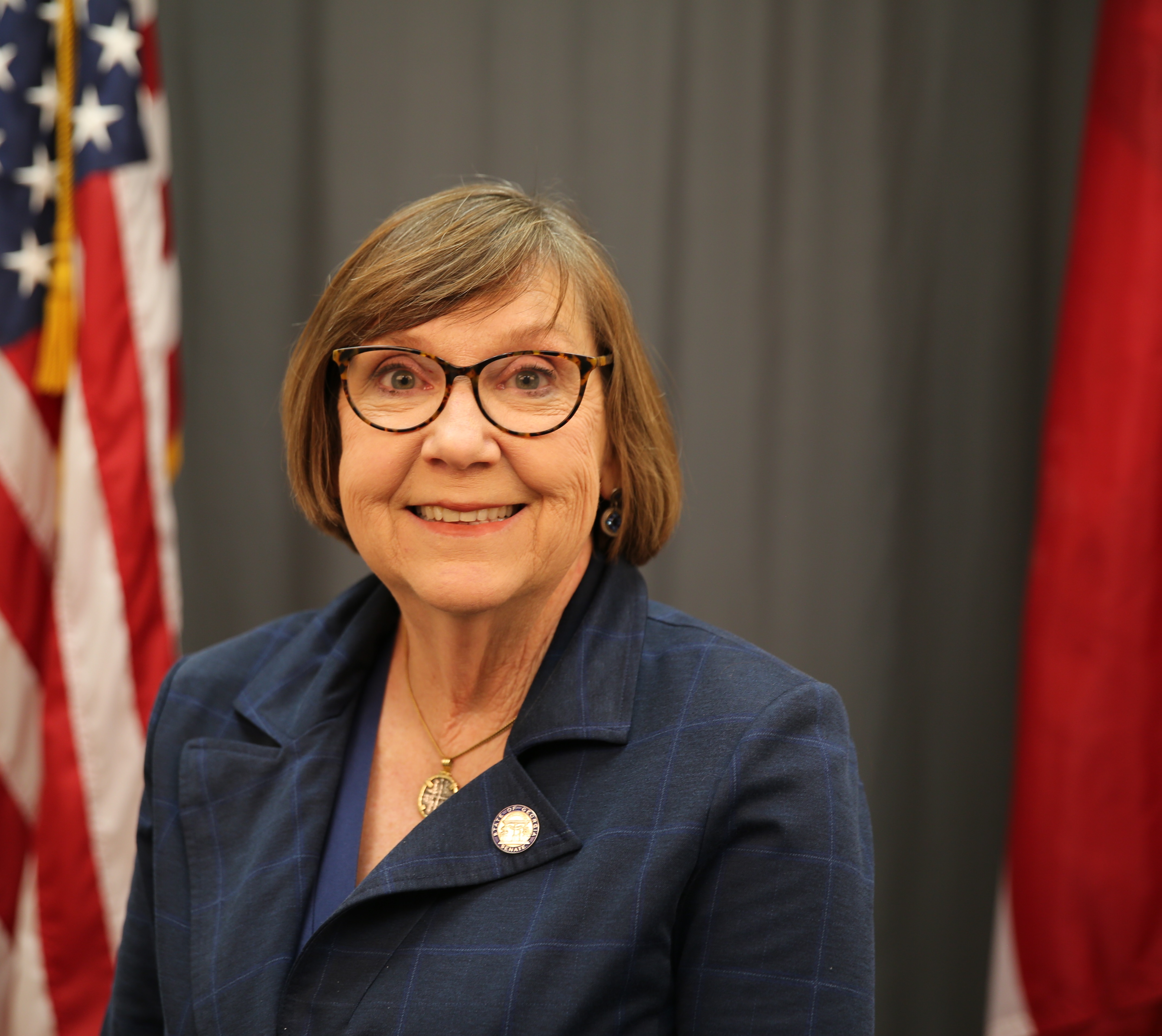
State Sen. Kay Kirkpatrick
According to Kirkpatrick, the committee came up with a number of ideas for improving Georgia’s child welfare system after hearing testimony from many experts and individuals who have been involved in all aspects and stages of child welfare and protection. The committee also found “that the issues facing Georgia’s most vulnerable children are complex and will need continued attention over time.”
“I feel like we have been drinking from a firehose,” said Kirkpatrick. “There has been a lot of public interest in this issue, and I believe we have an opportunity to make a difference.”
The final report centered around seven recommendations including:
● Permanency-The timeline for getting foster children to permanency. The committee recommended legislation to create a uniform reporting system.
● State Identification Cards-Children in care currently face difficulties in obtaining state photo IDs. They recommended legislation to provide free, easily obtainable state photo IDs to foster children should be considered.
● Case Manager Retention-High turnover among case managers within DFCS and other child placement agencies is problematic. Possible solutions include increased salaries, more training (to include trauma-informed care), and more resources to connect to non governmental groups that provide services to at-risk families and children.
● Legitimation-The process of becoming the legal father of a child is cumbersome in Georgia and slows the timeline to permanency. They recommended legislation to streamline the legitimation process, with protections for victims of domestic violence, should be considered.
● Expanding Infant-Toddler Courts-Georgia has piloted Infant-Toddler Courts due to the model’s success in other states. These should be expanded.
● Foster and Adoptive Parent Retention-Many foster parents leave the system due to redundant paperwork and other process issues, and a significant proportion of foster and adoptive placements dissolve because of inadequate support to manage formidable mental health challenges of the children. They made several recommendations under this topic including expansion in access to training (to foster and adoptive parents) in trauma-informed care and provisions for ensuring that foster and adoptive parents themselves (in addition to the children) have appropriate access to mental health services.
● Adoption Assistance Rates – Adjusting recurring and non-recurring adoption assistance rates which have not changed since 2009.
The committee also made several suggestions including strengthening residential treatment options for foster children with complex needs and protection of children being transported across state lines. They also suggested expanding the “Handle with Care” program used by some law enforcement agencies which notifies schools when one of their students has been involved in a traumatic event.


