
U.S. Rep. Buddy Carter, R-GA, says he sees telehealth as playing a major role in tackling some of the state’s most pressing challenges with healthcare. Last week, Carter met with officials at Augusta University to discuss advocacy for the Medical College of Georgia (MCG) and discuss the medical college’s impact on Georgia.
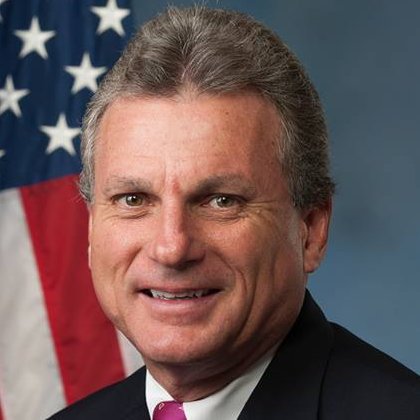
U.S. Rep. Buddy Carter
In recent years Carter has secured funding for the College’s Center for Digital health. In FY23, the Republican Congressman was able to get $1 million for the center.
“Telehealth is vital for seniors and those in rural areas,” said Carter. “I often say that we knew how important telehealth was before the pandemic, but we didn’t realize it until after. As a healthcare professional, I am a strong supporter of telehealth services and am proud of the work Augusta University is doing to bring this resource to more patients.”
Augusta University President Russell Keen said the funding for the university has allowed them to address major healthcare challenges across the state and the country.
“From pioneering research to combat the devastating fentanyl crisis to expanding health care access through innovative technology, this support enables us to fulfill our core mission: improving the lives of people across Georgia and beyond,” said Keen. “These partnerships demonstrate how targeted federal investment can create meaningful change in communities, from cities to our most rural areas.”
Dr. David Hess, Dean of the Medical College of Georgia, said MCG is using funds to expand their impact across the state through strategic partnerships including a new four-year medical school campus in Savannah.
“Our medical school is committed to advancing medical education and health care access for all Georgians — and we are excited to share our progress with our legislative partners,” said Hess.
The funding has been used to help integrate telemedicine training for the next generation of physicians, according to Dr. Matt Lyon, Director of the Medical College of Georgia’s Center for Digital Health.
“Through partnerships with rural Georgia hospitals, we’re now delivering critical care expertise to communities that need it most—allowing patients to receive advanced care closer to home.
These investments and technologies can strengthen our rural health care network and are improving patient outcomes across Georgia,” said Lyon.
For FY26, Rep. Carter submitted a $900,000 funding request to support the development of rapid fentanyl detection through Augusta University’s College of Science and Math.