
There are a lot of bills we pass in the Georgia Legislature aimed at improving the lives of everyday Georgians, but there are few that have had such an immediate impact on reducing poverty, eliminating homelessness and stemming the tide of human trafficking as Georgia’s new expanded foster care tax credit.
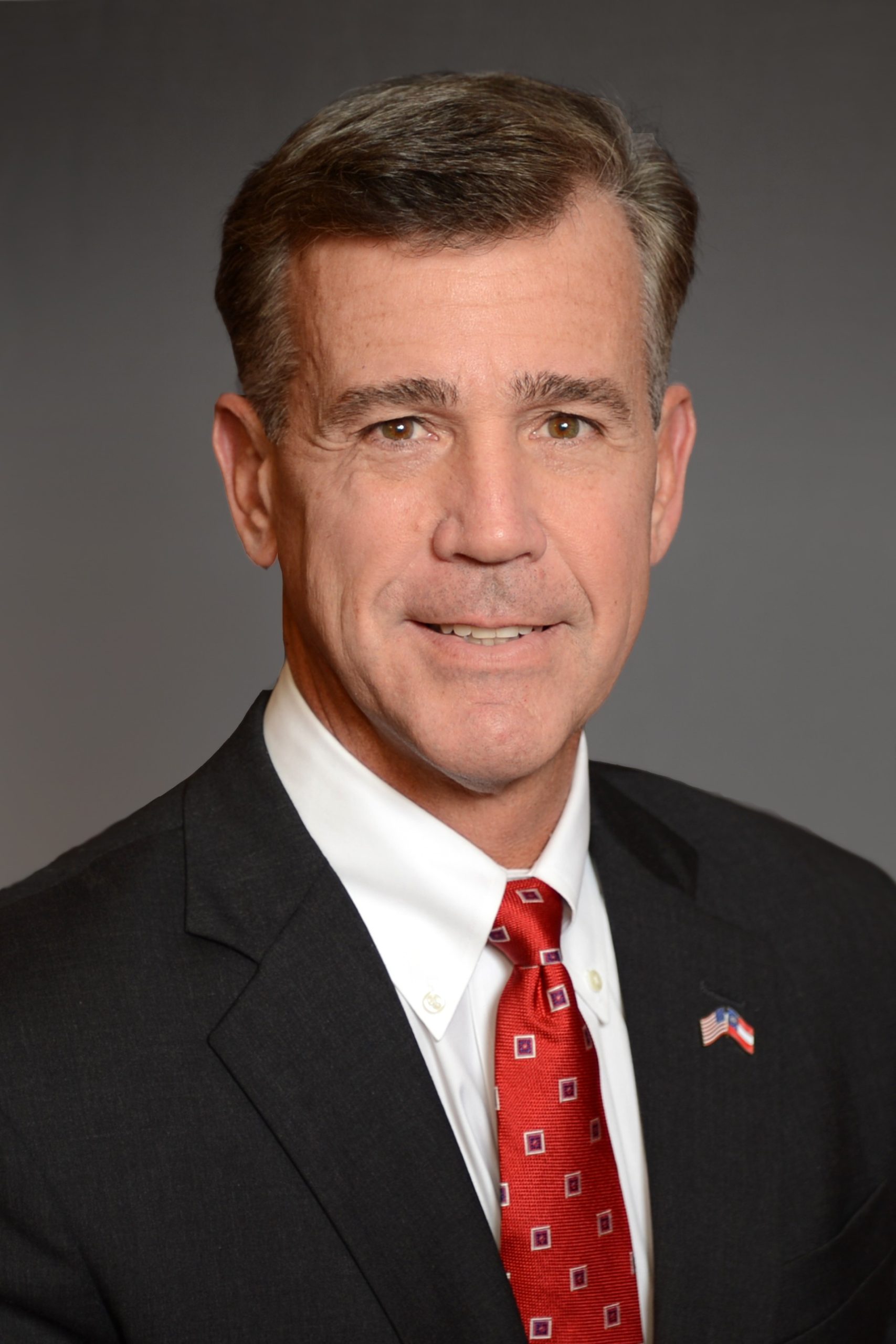
State Rep. Mark Newton
Just two years ago, I sponsored legislation to strengthen and expand the Fostering Success Act (FSA) to $30 million beginning in 2026. But already the program is gaining so much attention among young people who age out of our state’s foster care system.
A new report just released by Fostering Success Act, Inc., the non-profit that helps Georgia taxpayers donate to the tax credit program, found a whopping almost 350 percent increase in youth served since its launch just three years ago.
That means of the approximately 600 youth who age out of Georgia’s foster care system each year, they can have a place to call home other than a friend’s couch or a street corner. Instead, this tax credit is offering food, housing, transportation, and an opportunity to attend college, technical school or an apprenticeship program until the age of 26.
It’s something that so touches my heart because kids who have been in foster care have been through so much. Most have post-traumatic stress disorder or some emotional scars due to neglect or even abuse from their parents.
While our foster care families are wonderful, when these youth age-out of foster care, they have no home to return to or future course set for their lives like other young adults whose families planned and then assist with sending them to college or technical school.
So just last month, I followed FSA’s new “easy button” right here, at https://fosteringsuccessact.org/apply-now/ and made my 2025 tax credit donation to the program. Like so many others, I can know my contribution will help change the lives of these youth, while also reducing my Georgia tax income burden.
In exchange for a donation of any amount to FSA, the state of Georgia will reduce a donor’s EQUAL AMOUNT of tax liability no matter if they file as an individual or corporation. That means an individual or company could donate its entire state tax liability to these youth in need, then owe no state income taxes. It’s a dollar-for-dollar tax credit.
In addition to housing, nutrition, transportation, and tuition expenses, FSA funds are also being used for mentors to help coach these young adults, as they also need someone to both encourage and direct them. These vital mentors guide them in everything from how to fill out a college application to balancing a checkbook or searching for auto insurance. Most of these youth don’t have the life skills needed for today’s world and need good counsel. Mentors provide this crucial resource.
I challenge all our state lawmakers, policy advocates and those at the Georgia State Capitol to invest in this FSA tax credit to help these orphans of our time. I can’t think of a more worthwhile policy, through just a few minutes of your time, that will change the trajectory of poverty, addiction, crime, and homelessness among young people in our state.
Newton, an emergency physician and businessman, is a Republican state representative from Augusta. He serves as chairman of the House Appropriations subcommittee on Higher Education.