
Last week the State Board of Education adopted new benchmark scores that tell students, parents and teachers if third graders are proficient in reading and ready to move to fourth grade. The problem with those scores? The board chose a low standard. In real numbers; the higher standard under consideration would tell 24,000 third graders they aren’t ready for fourth grade. Under the new scores— magically!– they are.
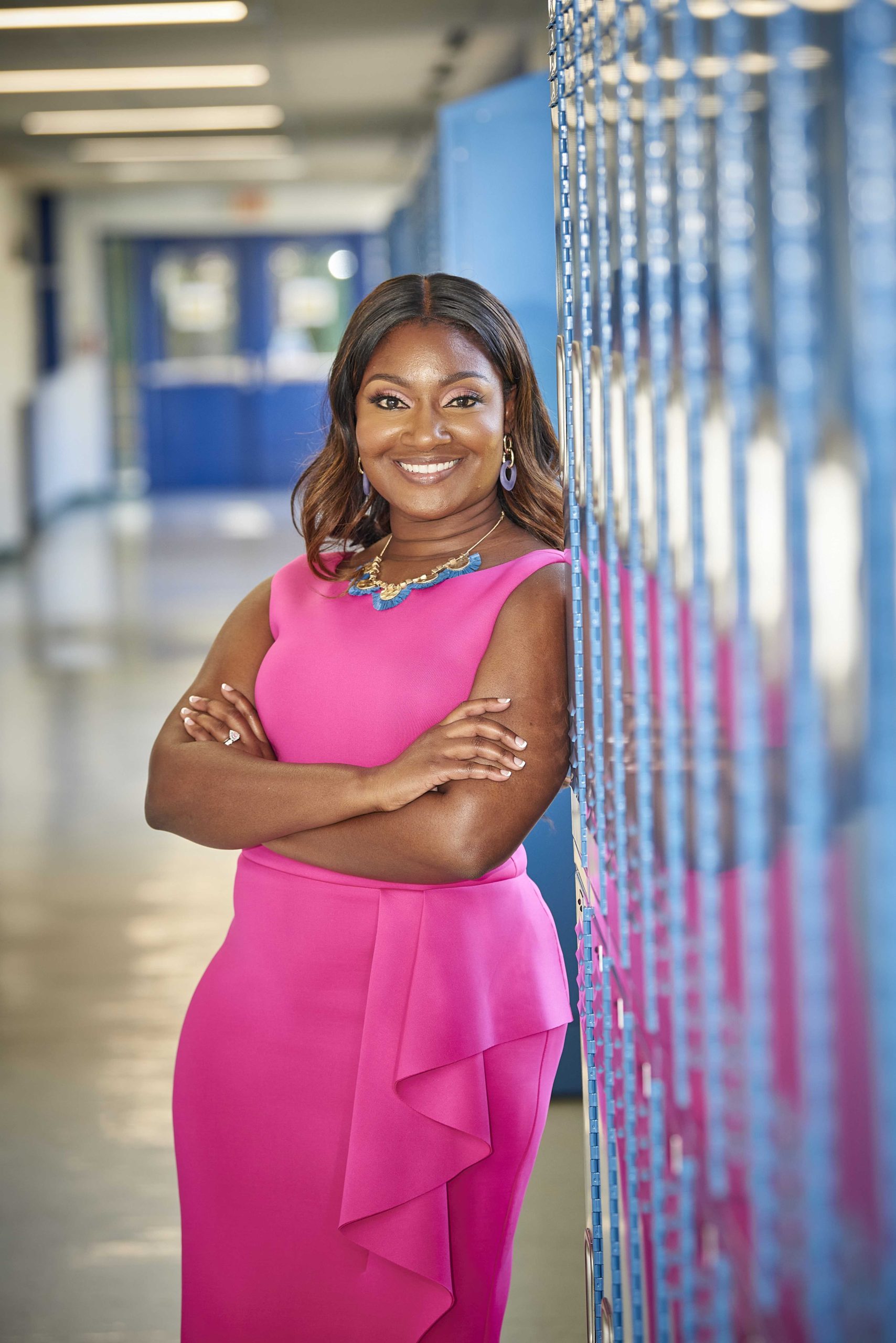
Alisha Thomas Searcy
Why does this matter? Imagine if your doctor only had to get 30 percent correct on his or her medical boards. With that 30 percent score they are considered proficient and receive their medical license. Would you have confidence in their ability to care for your family?
As a parent, I want to know my child’s doctor is competent. As a parent, former legislator and superintendent, I want Georgia students, parents and teachers to know the truth about a student’s ability to read. “‘Truthful”’ reading scores are good predictors for future success. From infancy to fourth grade, students are learning to read. In the years after that they are reading to learn.
NAEP scores, known as the “nation’s report card,” have provided information about state-level student achievement since 1969. According to the 2022 NAEP, only 32 percent of Georgia’s fourth graders are proficient or better in reading. Read that sentence again.
In case you’re wanting to blame the pandemic, proficiency was 32 percent in 2019.
If our goal is for Georgia students to be literate and good citizens and to compete in labor markets, lowering our standards and misleading them about their performance won’t get them there.
Mississippi went from being ranked the second-worst state in the country in 2013 for fourth grade reading, yet rising to 21st highest in 2022. I spent time with then-Mississippi State Superintendent Carey Wright who ushered in her state’s massive reading scores turnaround. In the Mississippi “Miracle,” as it is known nationally, it isn’t so miraculous. To get these results, they trained thousands of teachers in the science of reading, deployed literacy coaches to support teachers and bought better curricular resources. They identified problems early through screenings and alerted parents if extra support was needed. They also held students to high reading standards.
In our new Georgia reading law, we leave most of these decisions– including the approval of curricular resources and reading cut scores– to the Georgia Department of Education (GaDOE). To its credit, we are implementing dyslexia screenings which will help identify problems in reading earlier. But this won’t be enough. We need the other critical pieces. So far it appears there’s a lackluster plan devoid of the resources and commitment needed to raise achievement. And now they’ve lowered standards.
Is everyone on board with this decision to lower our standards? No! the Governor’s Office of Student of Achievement (GOSA) and Scott Johnson, chair of Georgia Council on Literacy (a former State Board of Education member). They both urged the state not to lower the standards.
GOSA noted that 35 percent of 3rd graders who scored below the new low standard were not reading on grade level in 8th grade. Both their findings and their recommendations for higher standards were validated by education expert and Kennesaw State University professor Dr. Benjamin Scafidi. He advised one Democrat and one Republican governor when he said, “low student achievement is a policy choice. Georgia should choose wisely and implement proven literacy approaches and hold students to high literacy standards”.
To add insult to injury, the GaDOE will stop giving total scores for the College and Career Ready Performance Index (CCRPI), which measures the performance of individual public schools. This is another way the GaDOE is diminishing accountability and misleading parents and stakeholders. Why?
Nope, this isn’t the point where I argue that we need more money. Our problem isn’t money. Our problem is priorities. There’s no more important academic priority than making sure students who leave our public school system can read proficiently.
We are in a crisis. Period.
We know what we need to do. It requires visionary leadership, high expectations for our children, telling them the truth, investing our resources in high quality materials and training, supporting our teachers and a long-term commitment to making the tough decisions and doing the hard work.
Pay attention. Third grade reading cut scores and CCRPI aren’t the only accountability measures being watered down. This is a pattern. If we stay on this track, our surrounding states will be thanking God for Georgia.
Alisha Thomas Searcy is a former six-term Cobb County state legislator as well as a former superintendent who runs a national education consulting firm. She and her husband Carlos are parents of three school-age children and is a panelist on Fox5Atlanta’s “The Georgia Gang.”